
Categories
Buprenorphine Opioids

Understanding the Hidden Dangers of Prescription Drugs

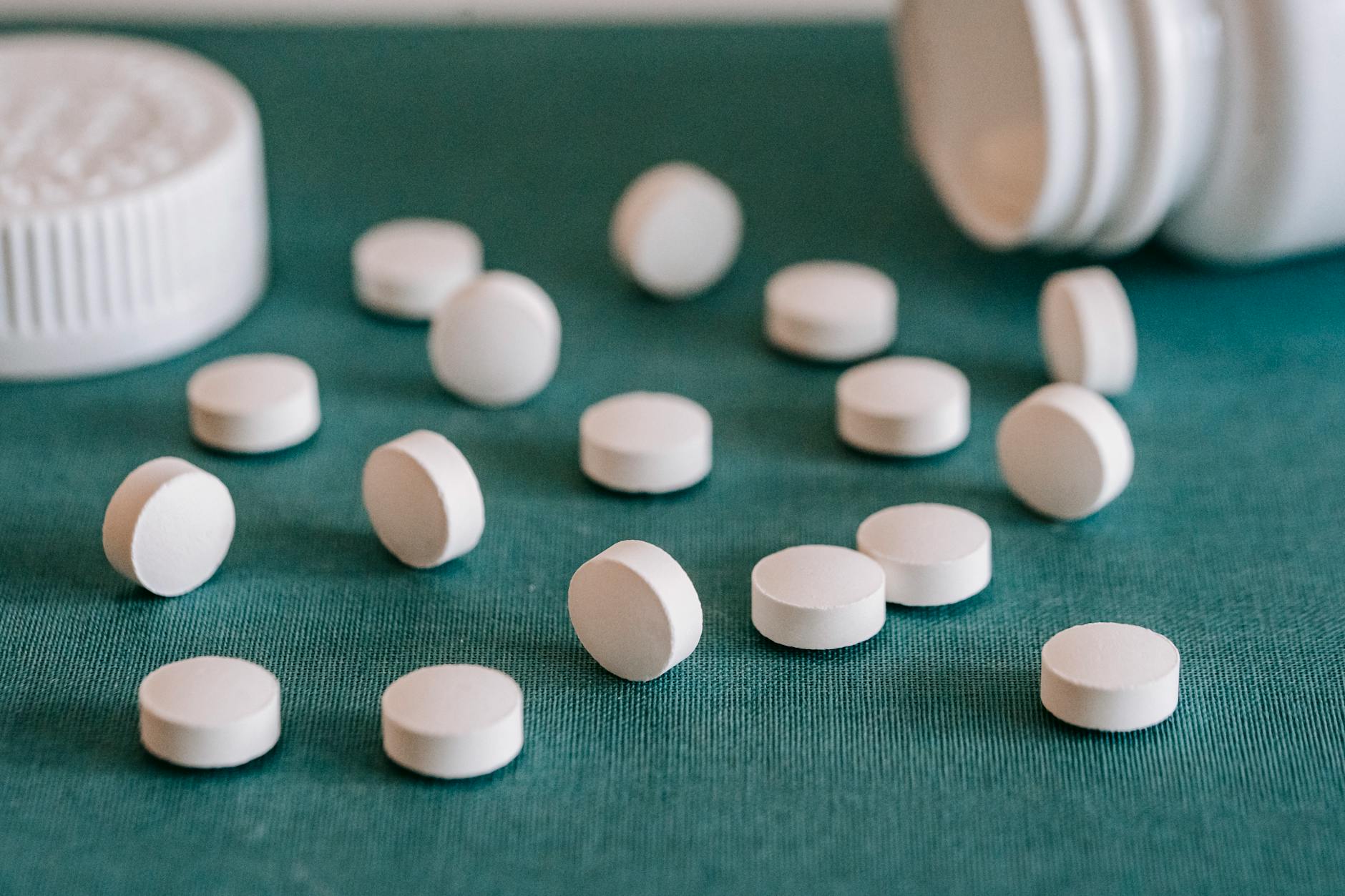
Prescription medications play a vital role in modern healthcare. They bring relief, support healing, and allow many people to manage chronic or life-altering conditions. Yet behind the therapeutic power of prescription drugs lies a set of risks that too often remain unrecognized until they become dangerous.

Here in California—where large urban centers like Los Angeles sit at the forefront of public-health challenges—prescription drug misuse continues to affect individuals and families across diverse communities. Exploring both the benefits and the risks of these medications is crucial for anyone navigating concerns about addiction or long-term use.

How Prescription Drugs Support Healing

Even with their potential dangers, prescription drugs were created with healing in mind. They offer several invaluable benefits:

1. Targeted, Specialized Treatment

Unlike general over-the-counter remedies, prescription medications are designed to address specific illnesses, infections, or physiological imbalances. Antibiotics eliminate bacterial infections; anti-seizure medications stabilize neurological activity; insulin regulates glucose for people with diabetes. Their precision makes them essential tools in modern healthcare.

2. Support for Chronic Conditions

Many Angelenos live with ongoing physical or mental health conditions that require consistent management. For those navigating depression, hypertension, asthma, or other long-term challenges, prescription drugs can mean the difference between daily struggle and stability. With proper medical monitoring, these medications help individuals maintain a higher quality of life.

3. Essential Pain and Palliative Care

In cases of severe pain—such as after surgery, injury, or during advanced illness—prescription pain medications can provide meaningful comfort. Opioids, when used responsibly under professional supervision, can offer invaluable relief for people enduring intense or persistent pain.

The Physical Risks of Prescription Medications

Despite their intended benefits, prescription drugs can also introduce unexpected physical consequences.

Side Effects and Systemic Impact

Medications can disrupt the body’s natural equilibrium. Some cause gastrointestinal issues; others may affect mood, energy levels, or neurological functioning. Even well-tested medications can produce unexpected reactions based on an individual’s unique biology.

Adverse Reactions and Interactions

No medication is free of risk. Allergic responses, harmful drug interactions, or intolerances can occur—even when medications are taken exactly as prescribed. Ongoing communication with a medical provider is essential to minimizing these dangers.

The Addictive Potential of Prescription Drugs

One of the most serious concerns surrounding prescription medications is the risk of dependence.

How Addiction Develops

Substances such as opioids, benzodiazepines, and certain stimulants have a well-documented potential for dependency. Although prescribed to ease suffering, these medications can gradually alter brain chemistry, creating a cycle of reliance that becomes difficult to break.

Overprescribing and Polypharmacy

The cultural expectation of a “quick fix” has contributed to patterns of overprescribing across the United States. When a person is taking multiple medications at once—especially those affecting the central nervous system—the risk of addiction or dangerous interactions increases dramatically.

Healthcare providers must balance relief from symptoms with thoughtful evaluation of long-term risks.

Long-Term Health Risks of Prescription Medication Misuse

While short-term relief may be immediate, prolonged or unsupervised use of prescription drugs can cause:

  • Cardiovascular issues
  • Cognitive or memory decline
  • Liver or kidney strain
  • Sleep disruption
  • Mood instability

These long-term effects highlight the importance of caution, regular monitoring, and informed decision-making when using any prescription drug.

Treatment Options for Prescription Drug Misuse

Prescription drug misuse is not a simple issue—and reducing prescriptions alone doesn’t solve the problem. Even as prescribing practices evolve, many substances remain accessible through illicit channels, and dependency can take hold quietly and quickly.

Recovery requires a comprehensive, personalized approach.

At our Los Angeles recovery center, individuals can find support through:

  • Medical detoxification
  • Residential treatment programs
  • Outpatient and intensive outpatient programs
  • Therapeutic support for co-occurring mental health conditions
  • Structured sober living environments

The right plan depends on the individual’s unique history, health needs, and goals for long-term recovery.

Finding Support in Los Angeles

Prescription drugs remain both powerful tools and significant risks. By fostering honest conversations, encouraging responsible prescribing, and offering compassionate treatment options, we can help individuals navigate this complex landscape with clarity and safety.

If you or someone you love is struggling with prescription medication misuse, the team at Numa Recovery Center is here to help. Reach out today to speak with a specialist and begin a path toward healing, stability, and sustainable recovery.

Categories
Drug and Alcohol Detox

Why Is Rebuilding Your Immune System During Addiction Recovery Important?

Many people recovering from addiction are unaware of their immune system health. It can be a tough topic to address, especially when there are so many other things to work on. But your immune recovery is an essential part of your new life.

Substance abuse over an extended period of time has harmful effects on a person, including how it affects them on a biological level. In many cases, our bodies try to fight off the toxins in alcohol or drugs, which signal an immune response. As a result, a person’s immune system can suffer and be weakened since it’s constantly battling the harmful substances. This makes a person more susceptible to other diseases and health conditions in the long-run.

Depending on the severity of the addiction, some people need medical treatment to restore their immune systems. For others with less severe damage, there are easy and natural ways to boost your immune system during the addiction recovery process.

How Does Addiction Affect Your Immune System?

As mentioned above, when toxic substances like drugs and alcohol continuously enter your body, your immune system weakens since it can’t build up sufficient resistance. The side effects of drug or alcohol abuse—such as dehydration, decreased eating or sleeping, and mental or physical exhaustion—can also harm the body’s natural immune responses over time.

And as the immune system struggles, your other systems become more vulnerable, too. You start to become at high-risk for infections, organ malfunction, and acute and chronic diseases.

Moreover, a recent study in the Journal of Psychopharmacology explains how the body’s response to stress and alcohol have an effect on immune system regulation. Over longer periods of time, an immune system that signals too often can result in “sickness behavior…negative mood, decreased social interaction, and increased sleep.” And, as seen in addictive behavior, immune malfunction can also affect a person’s impulse control and proper neural regulation.

How Does Alcohol Affect Your Immune System?

In addition to causing problems with immuno-regulation, alcohol abuse can lead to a number of health concerns on its own. Some of these effects include:

  • Digestive issues
  • Damages to the enzymes needed for proper digestion
  • Liver failure,
  • Autoimmune disorders
  • Decrease in the number and/or quality of white blood cells

Without the protection that white blood cells provide for the body, those struggling with alcoholism are at a much higher risk of developing life-threatening diseases.

How Do Drugs Affect Your Immune System?

Like alcohol, different drugs can have different effects on the body’s immune system. Some of the more common drug-related immune issues include:

  • Opioids can cause a decrease in sleeping, nutrition, and/or mental or physical health, resulting in a weakened immune system overall.
  • Cocaine causes a malfunction of specific protein systems. This results in a higher risk for sexually transmitted infections and related diseases.
  • Prescription Drugs often cause a suppression of white blood cells, which leaves the body vulnerable to infection and unable to fight off minor and serious ailments.

How Can I Rebuild My Immune System During the Recovery Process?

There are a number of simple ways to start rebuilding a healthy immune system. In addition to what your treatment center or recovery program recommends, consider how you can implement these easy steps into your daily routine.

  1. Get Plenty of Sleep

Sleep is one of the natural ways your body recovers from and fights off infections. These simple steps can help you get enough sleep in your recovery journey:

  • Keep a regular sleep schedule
  • Relax an hour before you go to bed
  • Avoid electronics (blue light) an hour or so before sleep
  • Meditate and calm your mind before you got to bed
  • Be Sure to Exercise

It’s well-known that regular exercise reduces inflammation in the body, which then strengthens your immune system.

Moreover, exercise can help your body respond to harmful bacteria. Immune markers, which highlight germs and bacteria in our bodies, are strengthened by regular exercise. Physical activity not only makes those markers more efficient, but it also encourages your body’s proper response to them.

  • Reduce Stress as Much as Possible

During your recovery journey—and in everyone’s lives—stress is simply inevitable. But by finding effective ways to manage stress, you can reduce your risk for relapse and continue to rebuild your immune system.

When you’re overly stressed, your body produces a chemical called cortisol, which is a hormone that prepares us to face a dangerous or threatening situation. This is an important response, but it can become a problem if it becomes unbalanced or too common. As a result, your immune system suffers.

If you’re feeling stressed during your recovery, you can try:

  • Talk with your support system of family and friends
  • Reach out to your therapist or mentor
  • Go to a support group meeting
  • Try practicing meditation or deep breathing exercises
  • Rebuild a Healthy Nutritional

Nutrition greatly impacts your immune health. In fact, malnutrition—according to the Journal of Addictions Nursing—is extremely common among those who suffer from addiction. Therefore, it must be treated as a key element in the recovery process, both inside and outside of formal healthcare settings.

If you’re looking to improve your immune system during recovery, a good place to start is reducing sugar intake and processed foods. Too much sugar can slow the response time of your white blood cells, resulting in higher infection rates.

Eating more vegetables also helps strengthen your immune system. For example, vegetables such as broccoli, cabbage, and kale can improve liver function, which is needed for your body’s detoxification process.

Getting the Help You Need

By understanding exactly how drug and alcohol addiction affects the immune system, you can help to ensure that you or your loved one is taking the proper steps to improve health habits during recovery.

To start rebuilding your life while in addiction recovery, Numa Recovery is here to discuss available treatment options—don’t hesitate to reach out today.

Categories
Uncategorized

Dealing with Stress in Recovery: 4 Tips to Building Healthy Stress-Management Skills

Since stress in an inevitable part of life, learning stress-management is essential to living a healthy life. If you’re recovering from addiction or substance abuse, building a stress-management strategy can help you maintain sobriety and a lifestyle of wholeness.  

What is Stress-Management?

Throughout our day-to-day lives, we all experience stress and stressors. But not all stress is “bad.” According to the Handbook of Stress and Health, “mild to moderate levels of stress, within a person’s coping range, can ultimately produce positive outcomes.” In other words, some stress can be helpful in situations when we need to complete a task, or are in a competitive activity such as sports. Feeling a bit of pressure can help us yield our optimal performance and efficiency.

But, as the Handbook explains, when stress becomes too much and “exceeds one’s coping capacity, [it] can result in threats to physical and psychological well-being.” In fact, unmanaged stress can become chronic and even lead to mind, body, and behavioral dysfunctions.

When stress becomes a threat to our well-being, it usually comes by way of these four types:

  • Physiological: Poor nutrition, lack of access to health care, threat of physical danger
  • Environmental: Noise and/or air pollution, unclean water or sanitation facilities
  • Social: Present interpersonal conflicts and dangers, or PTSD 
  • Cognitive: Negative thinking patterns that induce anxiety and depression

Why is Stress Management Important for Those in Recovery?

For those in recovery, learning to manage stress and situations that cause high amounts of stress is central to the healing process. It has been well-established that stress is linked to how the brain experiences addiction. Moreover, stress has a correlation to higher risks of relapse. The parts of the brain that regulate emotions and even chemical reactions are triggered by stress and how we cope with it.

One such response is the “fight-or-flight” response. This refers to the biochemical and physiological changes that happen in the body when an alarm response to stressors—real or imagined—goes off. When this triggers, the brain may turn to its craving or previous source of comfort, which for those in recovery are harmful substances.

The five stress-management tips below are intended to help you deal with stress that you face in your day-to-day life. Pursuing science-based and holistic treatments in professional settings can also help you analyze situations and people that trigger feelings of stress. As someone in recovery, you know that by making a plan and taking positive actions, anything is possible—even with stress!

Tip #1: Address Unnecessary Stress with Stress Management

Some stressors are out of our control. But some are well within our scope and can be easily avoided. This tip helps you address stress by removing it altogether. Once you begin to pay attention, you may be surprised by how easy it is to avoid recurrent stressful situations. It can be as simple as leaving 10 minutes earlier each morning so you are not stressed in traffic, or choosing to not talk to your high-maintenance friend right when you’re off work and have depleted energy. This doesn’t mean ignoring situations that actually need your attention though.

The key is to plan ahead and learn how to say “no” if you’re already at maximum capacity. If you know a triggering person is going to that party, you don’t have to go. If talking about the addiction recovery process is too much to handle alone, relegate these topics for your therapy sessions. Saying “no” when you need to is one of the best strategies for successful sober living.

Tip #2: Learn New Ways to Work With Stressful Situations

Never stop learning! For example, cognitive-behavior therapy (CBT) teaches you to adjust your reaction to situations, including stressful ones. If you’re feeling like your stress-cup is full or that you have repressed feelings, pursue a type of talk-therapy you haven’t tried before. When we acknowledge stressors under the surface, we can then work through different scenarios to address or remove the stress.

Dealing with relationship stress may look like pursuing couple’s therapy. If a relationship can find a healthy compromise and path of communication, stress can’t remain in the shadows for long.

Tip #3: Changing Your Attitude

There are many ways to start changing our attitudes. The goal is to reframe the problem so that it allows you to logically process stressful situations with a positivity and agency. For avoiding substance use relapse, this is one of the best tools to work with.

If this is something you struggle with, dialectical-behavioral therapy (DBT) might be right for you. Talk to your treatment center about this approach, which emphasizes emotion regulation, mindfulness, stress tolerance, and interpersonal stability. DBT can help you build emotional and cognitive strength while addressing the people, places, and situations that trigger stress.

On another level, taking care of your day-to-day needs can significantly improve your capacity to deal with stressors and change your approach to life. Some of these self-care strategies include:

  • Exercise every day: Even for 10-15 minutes of cardio can make a world of difference.
  • Eat a healthy diet: Avoid processed foods and eat fresh as much as you can.
  • Get enough sleep: Prioritize your rest. Stress is more stressful when we’re exhausted.

And finally, keep your sense of humor alive and well. Smiling, laughter, and joy are the strongest dispellers of stress.

Tip #4: “Letting Go” Helps You Reduce Stress

Since we know that some stressors can’t be avoided, sometimes the best strategy is the practice of letting go. With a network of support around you, acceptance of painful situations is one of the most effective ways to move forward. Such situations might include the death of a loved one or the dissolution of a marriage. A posture of letting go combined with grief management therapy can help you see the present clearly and imagine a brighter future.

Many relapses happen when a person attempts to control a situation beyond their capability. Substance abuse and addiction are not the answer to the pain. Instead, reach out to someone you can trust for help and practice the wisdom of letting go at the right time.

To begin or continue your recovery journey, get in touch with a professional at Numa Recovery today. We’re here to help get you on track toward healing and the fullest version of yourself.

Categories
Drug and Alcohol Rehab

Are You High-Functioning But Hollow? When Success Hides Struggles With Addiction

You wake up, hit the gym, close a deal, smile for the camera, go home—and pour yourself a drink so large it could be called a “coping mechanism.” From the outside, your life looks exceptional. But inside, it’s anything but.

This is what high-functioning addiction and mental health struggles look like. You may still show up to meetings, perform well, and maintain appearances. But under the surface, something’s off. The constant anxiety. The depression you don’t talk about. The substances you use to manage it all.

At our Los Angeles luxury rehab, we specialize in working with people who have outwardly “made it”—but inwardly, feel like they’re falling apart.

How Addiction Can Use Success as a Disguise

For many, success becomes the perfect mask. You’ve built a life others envy. Maybe even one you used to dream about. But now it feels like you’re performing. Every win feels hollow. Every “I’m good” is a lie. The more you achieve, the more you feel trapped—by your role, your image, your expectations.

In this state, substances can become the bridge between your public self and your private pain. A drink to unwind. A stimulant to power through. A pill to slow your thoughts. Over time, these coping tools become dependencies—and because you’re still functioning, no one suspects a thing.

Except you.

Mental Health Isn’t Optional For You Or Anyone

Mental health is not a side issue—it’s the core of everything. High-functioning people often compartmentalize their emotional pain, telling themselves, “I don’t have time for therapy,” or “It’s not that bad.” But pressure builds. Depression simmers beneath the surface. Anxiety spikes in the quiet moments. And eventually, something gives.

Research consistently shows that mental health disorders and substance use disorders are deeply intertwined — not just coexisting, but often reinforcing one another. For example, a study published in PMC (“High‐functioning addicts: intervening before trouble hits”) highlights that many individuals who appear to be thriving — with careers, relationships, and outward success — are quietly battling addiction and often have underlying mental health concerns such as anxiety, depression, or trauma.

Likewise, foundational neuroscience research outlines how addiction is driven by changes in brain circuits — particularly those involving stress, reward, and executive control — which are also implicated in mood disorders. According to data from McLean Hospital, in a 2021 national survey, about 32.5% of U.S. adults had either a substance use disorder or some other mental health disorder, and a significant portion had both. These findings underscore that high-functioning people aren’t “immune” to the risk; their outer stability often masks inner turmoil. When mental health goes unaddressed, it tends to worsen substance use, reduce one’s ability to regulate emotion or decision-making, and increase relapse risk.

Healing starts with naming what’s really going on.

Common Signs You’re in High-Functioning Addiction

  • You rely on substances to “come down” from high-stress days
  • You dread time alone or in silence
  • You’re often praised for your discipline or ambition—but you feel constantly drained
  • You’ve experienced panic attacks or unexplained physical symptoms
  • You justify your substance use with your success (“I deserve this”)
  • You keep telling yourself you’ll cut back—just not yet

If these resonate, know this: you’re not weak. You’re just overdue for support for your high functioning addiction.

Why Your Recovery Center Choice Makes a Difference

At our Los Angeles facility, we provide the kind of care high-functioning individuals often don’t realize they need—or think they can’t afford to take time for. But recovery doesn’t mean giving up your life. It means getting to live it more fully.

Our program includes:

  • Private, serene accommodations that allow you to rest without losing dignity
  • Confidentiality protocols to protect your reputation and privacy
  • Individual therapy tailored to high achievers, perfectionists, and people-pleasers
  • Integrated dual-diagnosis care, so both addiction and underlying mental health issues are addressed
  • Mind-body treatments like yoga, massage, and nutritional therapy to restore balance

We understand what it’s like to carry pressure and perfectionism. Our goal isn’t to dismantle your ambition—it’s to help you reconnect with yourself, beyond the performance.

Why Does Early Intervention Matter?

The longer high-functioning individuals delay seeking help, the more ingrained the emotional and behavioral patterns become. Burnout deepens. Relationships fray. The line between “coping” and “crisis” gets thinner.

But you don’t have to wait for a breakdown. You don’t have to lose your job, destroy your health, or alienate your family before you qualify for help.

If you’re suffering, that’s enough. You’re allowed to heal simply because you’re hurting—not because your life has collapsed.

Redefining Strength and Starting Recovery Today

True strength isn’t pushing through pain. It’s knowing when to stop and ask, What am I really running from?

Healing means shifting the narrative—from survival mode to self-compassion. From performing to connecting. From numbness to clarity. There is no reason you should still be stuck in high functioning addiction.

At Numa Recovery Center, you’ll find a space where you don’t have to be perfect. You don’t have to impress anyone, and you don’t have to hold it all together either.

You just have to show up—and be willing to heal. Don’t hesitate to reach out to a professional at Numa Recovery today.

Call Now Button